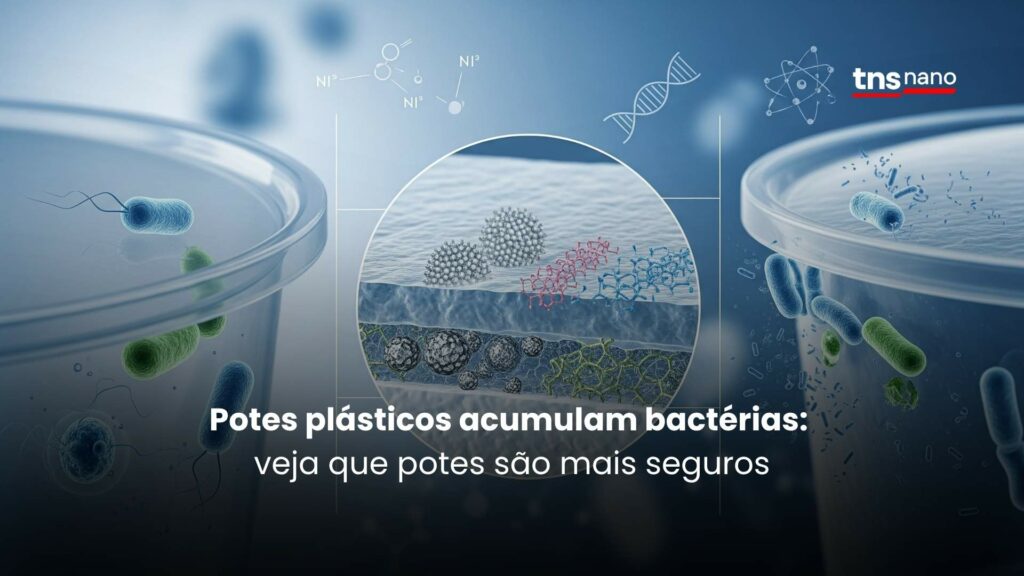
Have you ever stopped to think that the plastic container you use every day in your kitchen might be a breeding ground for microorganisms? This is more common than we realize, and the science behind plastic materials explains exactly why some containers become veritable “hotbeds” of bacteria, while others keep food safe for much longer.
The difference isn’t just in the price or the brand—it lies in the technology applied to the materials and the scientific knowledge that guides the manufacturing of each product. Understanding these differences is essential for making more informed choices in the kitchen and protecting your family’s health.
The invisible problem: how bacteria thrive in ordinary containers
Not everyone knows this, but that plastic container sitting in the cupboard can be the perfect breeding ground for microorganisms that are harmful to your health. The problem starts with seemingly harmless characteristics:
Microscopic grooves: the perfect hiding place
Over time, low-quality plastic containers develop small cracks and scratches that are invisible to the naked eye. These imperfections become veritable “havens” for bacteria such as E. coli and Salmonella, as well as fungi. No matter how small they may be, these cracks are sufficient for microorganisms to settle in and multiply, even after washing.
Loose lids: an open door to contamination
A container with a lid that doesn’t seal properly allows air, moisture, and microorganisms from the environment to enter. This means that even properly prepared food can become contaminated during storage. The result? A higher risk of food poisoning and premature spoilage.
Porous materials with low strength
Lower-quality plastics tend to be more porous, absorbing odors and grease and, as a result, making it easier for bacteria to adhere to them. With repeated use and washing in hot water, these materials degrade quickly, creating even more opportunities for contamination.
The impact on family health is real: according to data from the World Health Organization, foodborne illnesses affect approximately 600 million people worldwide each year. In other words, many of these cases of foodborne illness could be prevented by using appropriate storage containers.
Why are some materials more durable and hygienic?
First of all, the difference between an ordinary plastic container and a truly hygienic one lies in the science behind their manufacture.
High-quality plastics: the foundation of safety
Durable plastics, such as polypropylene (PP) and high-density polyethylene (HDPE), have a denser and more uniform molecular structure. This means:
- Lower porosity: reduces liquid absorption and the adhesion of microorganisms
- Greater durability: maintains the surface's integrity even after multiple washes
- Heat resistance: withstands higher washing temperatures, which are essential for killing bacteria
Airtight containers: technology that helps preserve food
A high-quality airtight container features sealing systems that create an effective barrier against external contamination. Key features include:
- Silicone seals: high-quality rubber seals that ensure a perfect seal
- Safety latches: mechanisms that ensure the lid remains securely closed
- Pressure valves: Some models are equipped with systems that equalize internal pressure, maintaining a sterile environment
Technological advances in plastics
The industry has been developing plastics with antimicrobial properties incorporated during the manufacturing process. These innovative materials:
- They naturally inhibit bacterial growth
- They retain their value over time
- They do not release harmful substances into food
How to Choose and Use Plastic Containers Safely
Criteria for choosing the ideal pot
1. Material strength
- Choose containers made of polypropylene (PP) or high-density polyethylene
- Check whether the product has food safety and quality certifications
- Choose brands that clearly list the material composition
2. Airtight sealing system
- Test the closure before purchasing—it should offer some resistance when opening
- Make sure the silicone seal is securely in place and even
- Choose systems with multiple locks for added security
3. Antimicrobial design
- Look for smooth surfaces without unnecessary indentations
- Avoid jars with lots of decorative details that can trap dirt
- Consider products with built-in antimicrobial technology
The nanotechnology revolution in the kitchen
Innovation in plastics has reached impressive heights with the application of nanotechnology. Essentially, this field works with particles up to 100,000 times smaller than the thickness of a human hair, enabling precise modifications to the properties of materials.
How nanotechnology makes jars safer
Antimicrobial surfaces: Incorporating specific nanoparticles during the plastic manufacturing process creates surfaces that naturally inhibit the growth of bacteria, fungi, and viruses. These properties remain effective throughout the product’s lifespan.
Greater durability: Certain nano-additives significantly increase the mechanical and thermal resistance of plastics, resulting in products that retain their properties for much longer.
Food safety: The nanoparticles are stably incorporated into the polymer matrix, preventing migration into food. This ensures that the antimicrobial benefits are maintained without compromising food safety.
The human impact of innovation
When we talk about technology applied to household items, we’re talking about caring for people. Every innovation in materials means fewer worries for parents, greater food safety for families, and, ultimately, greater peace of mind in the busy daily lives we all lead.
Nanotechnology isn't just about cutting-edge science—it's about providing better tools so you can focus on what really matters: taking care of the people you love.
Which plastic container should you choose for your family?
Choosing a plastic container thoughtfully goes far beyond basic functionality. It is a decision that directly impacts your family’s health and well-being. Not all containers offer the same level of protection —some are true allies in ensuring food safety, while others may pose unnecessary risks.
By choosing airtight containers made from durable plastics and featuring innovative technologies, you’re not just buying a kitchen item—you’re also investing in the peace of mind that comes from knowing your family’s food is protected from invisible contaminants.
Remember: small everyday choices can make a big difference in your quality of life. The next time you’re organizing your kitchen or packing lunches, consider not only the price, but especially the quality and safety the product offers.
So, would you like to learn how nanotechnology can make plastic surfaces safer for everyday use? Contact our technical team. We’re here to help you understand how innovation in materials can make a difference in your daily life and your family’s health.
TNS Nano is committed to bringing cutting-edge technology into the daily lives of Brazilian families, prioritizing safety, quality, and human well-being above all else.
![[TNS Nano] Sustainability Report](https://tnsnano.com/wp-content/uploads/2023/05/Relatorio-anual-de-sustentabilidade-1.jpg)