
Filmes agrícolas
High-tech films designed for crop preservation and yield enhancement, ensuring the integrity of the crop from field to storage
The qualities that make agricultural films stand out
Maintaining quality in the field
This technology helps protect stored content, helping to preserve the characteristics of the raw material and reduce losses associated with deterioration over time
Superior performance in barrier protection
By combining antimicrobial action with barrier properties, the solution helps control factors such as oxygen and contamination, thereby enhancing the performance of the films under real-world conditions
Superior performance in barrier protection
By combining antimicrobial action with barrier properties, the solution helps control factors such as oxygen and contamination, thereby enhancing the performance of the films under real-world conditions.
Greater production efficiency and fewer losses
By reducing avoidable losses and improving the utilization of stored materials, this technology directly contributes to operational gains and a better return on investment throughout the production cycle
Key Features of the TNS Nano:
Application Engineering Team
Microbiology Laboratory
Marketing team
Results that demonstrate performance
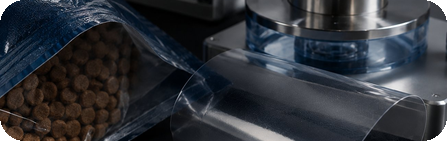
ASTM D3985
A method that measures the oxygen transmission rate in films and packaging, allowing for an assessment of the barrier’s effectiveness and its impact on product preservation.

ASTM F1249
Evaluates the water vapor permeability of flexible materials, indicating the packaging’s ability to control moisture and preserve sensory characteristics.
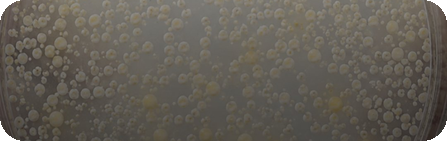
JIS Z 2801
A test that quantifies antimicrobial activity on surfaces by measuring the reduction in bacteria following contact with the treated material.
Frequently Asked Questions
These are functional plastic films that incorporate antimicrobial technology into the material, helping to eliminate microorganisms on the surface. This feature contributes to the preservation of stored materials, such as silage, as well as antimicrobial protection of crops in the field, as well as in greenhouses and agricultural covers.
The technology is incorporated into the polymer during the film’s manufacturing process. When microorganisms come into contact with the treated surface, the solution works to eliminate bacteria, fungi, and yeasts, helping to protect both the stored material and the growing environment.
Yes. In greenhouse and cover films, the technology helps control the presence of fungi and other microorganisms on the film’s surface, contributing to a more protected environment with a lower risk of contamination that could impact plant development.
Yes. By eliminating microorganisms on the surface of the film, the technology helps reduce the presence of molds, yeasts, and plant-associated pathogens, helping to protect the crop and improve conditions throughout the production cycle.
Yes. By reducing the microbial load in the environment and on the covering material, the technology helps to better system stability, a lower risk of contamination, and greater efficiency throughout the growing process.
Yes. In silage applications, this technology helps eliminate spoilage microorganisms, contributing to better fermentation, reduce losses and better preservation of dry matter, directly impacting the nutritional and economic value of the stored material.
Yes. By eliminating undesirable microorganisms, the technology promotes more controlled and efficient fermentation, reducing microbiological interference that compromises silage quality.
Yes. That is one of the main benefits. The elimination of mold, yeast, and spoilage bacteria helps reduce losses both in storage (silage) and protected cultivation, increasing operational efficiency.
TNS Nano's solutions are compatible with polymers widely used in the production of agricultural films, such as polyethylene (PE/LDPE) and other resins used depending on the application and production process.
It can be incorporated using masterbatch or powdered additive, integrated into the film extrusion process. The solution is designed to adapt to the process already used by the industry, without the need for new production steps.
In practice, nothing changes structurally. The technology is integrated into the process you already use, with technical adjustments to formulations and parameters, without the need to alter the production line.
TNS Nano’s goal is to enhance functionality without compromising the material’s essential properties—such as mechanical strength, flexibility, transparency, and performance in the field—always in accordance with technical validation of the application.
Yes. TNS Nano handles technical development and validation to ensure the safety and suitability of the solution in accordance with the application and project requirements.
The cost depends on the type of film, the resin, the manufacturing process, and the expected performance level. For an accurate assessment, we recommend contacting TNS Nano so we can analyze your process and determine which solution is best suited for your needs.
TNS Nano provides support from product development through to marketing, helping to create physical and digital materials and marketing strategies to translate these benefits into perceived value.