
Home decor and furniture
Itens de decoração e mobiliário que combinam beleza, conforto e resistência para o uso diário
Home decor and furniture
Decorative items and furniture that combine beauty, comfort, and durability for everyday use.
Attributes that go beyond what meets the eye
Protection incorporated into daily routines
Uma solução pensada para materiais presentes no uso diário, que agrega proteção antimicrobiana a aplicações de contato recorrente em diferentes ambientes
Integration with aesthetics
A funcionalidade antimicrobiana é incorporada sem comprometer acabamento, toque, conforto ou design
Integration with aesthetics
The antimicrobial properties are incorporated without compromising the finish, feel, comfort, or design.
Differentiation based on perceived value
Um atributo que fortalece linhas de decoração e móveis com mais inovação, cuidado e qualidade percebida
TNS Nano Features:
Application Engineering Team
Microbiology Laboratory
Marketing team
Resultados que comprovam performance
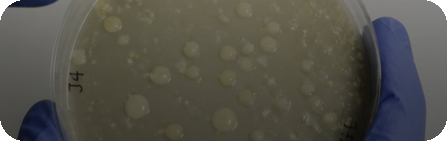
ASTM E3031
A quantitative test that measures the reduction of microorganisms on treated surfaces, demonstrating antimicrobial efficacy on non-porous materials over time.
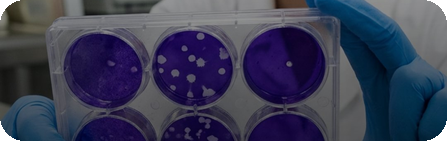
ISO 21702
Measures antiviral activity on plastic and non-porous surfaces, indicating the material’s ability to reduce the viral load after direct contact.
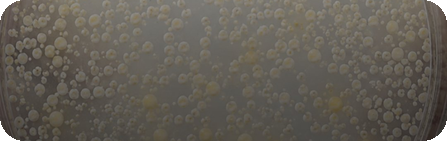
JIS Z 2801
A method for evaluating the physical and mechanical properties of materials, including strength, density, and structural behavior.
Frequently Asked Questions
It adds a functional layer to the product without detracting from its aesthetic appeal. As a result, furniture, panels, and decorative surfaces offer improved hygiene, durability, and a distinct look that stands out in everyday use.
The technology is incorporated into the material during manufacturing in a manner compatible with each substrate. When microorganisms come into contact with the treated surface, their growth is continuously inhibited without requiring reapplication under normal use.
No. In interior design and furniture applications, the goal is precisely to integrate functionality without compromising the finish, feel, comfort, or design. The aim is to add technical features to the product without detracting from the line’s distinctive character.
No. Antimicrobial technology complements regular cleaning and maintenance routines, but it does not replace sanitization or normal care. It acts as a permanent feature of the material, helping to keep the surface better protected between cleanings.
Antimicrobial technology makes sense for products that are frequently touched and used, such as MDF and MDP panels, laminates, upholstery, chairs, mattresses, and pillows. These are applications where functionality, care, and perceived value take on greater importance.
The technology is present throughout the product's entire lifespan. It is not a temporary surface treatment, but a feature integrated into the material to remain effective throughout its use.
It takes the product beyond mere aesthetics and craftsmanship, adding a clear technological edge. This reinforces the perception of innovation, enhances the line’s value proposition, and helps the brand position itself as more premium and functional.
The communication should demonstrate that the product offers more than just a claim: it offers a functional advantage that is relevant to its use. In addition to developing and validating the solution, TNS Nano supports the brand with planning, training, strategy, and marketing materials to clearly communicate this value.