
Louças, metais e assentos sanitários
Bathroom fixtures that combine high strength, hygiene, and durability
Sanitary Ware, Fittings, and Toilet Seats
Bathroom fixtures that combine high strength, hygiene, and durability
The features that make each piece a unique experience
Hygiene in daily life
A solution designed for components used in everyday life, providing antimicrobial protection for applications exposed to moisture, frequent contact, and cleaning requirements in various environments
More convenience in your daily routine
A solution that helps keep surfaces better protected and easier to maintain on a daily basis, promoting hygiene and well-being in high-traffic areas
More convenience in your cleaning routine
A solution that helps keep surfaces better protected and easier to maintain on a daily basis, promoting hygiene and well-being in high-traffic areas.
Differentiation based on perceived value
A feature that enhances components by combining innovation, hygiene, and durability in environments that demand performance and reliability on a daily basis
TNS Nano Features:
Application Engineering Team
Microbiology Laboratory
Marketing team
Results that demonstrate performance
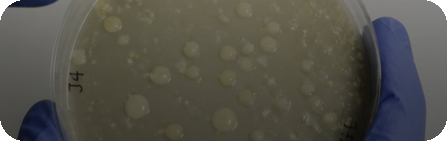
ASTM E3031
A quantitative test that measures the reduction of microorganisms on treated surfaces, demonstrating antimicrobial efficacy on non-porous materials over time.
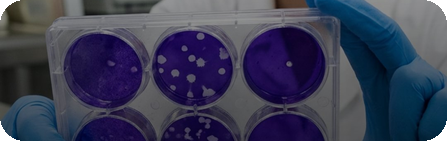
ISO 21702
Measures antiviral activity on plastic and non-porous surfaces, indicating the material’s ability to reduce the viral load after direct contact.
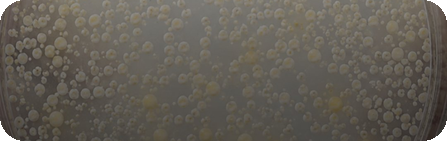
ISO 22196/JIS Z 2801
A method for evaluating the physical and mechanical properties of materials, including strength, density, and structural behavior.
Frequently Asked Questions
It offers a significant functional advantage for items exposed to moisture, heavy use, and frequent contact. This helps the product deliver greater perceived hygiene, durability, and added value in the environment.
The technology is incorporated into the material or finish during manufacturing. When microorganisms come into contact with the treated surface, the growth of viruses and bacteria is continuously inhibited, helping to keep the product better protected throughout its use.
No. Technology does not replace cleaning, disinfection, or regular bathroom care. It complements the maintenance routine by adding a functional layer of protection to the product.
Because these products are part of daily life and are found in settings where hygiene and convenience are highly valued. Incorporating this technology helps make these items more relevant and distinctive in the market.
No, when technology is incorporated into the material during manufacturing, it becomes part of the product and remains with it throughout its entire lifespan.
No. For tableware, metalware, and seating, the antimicrobial properties are designed to preserve the item’s visual and functional characteristics, maintaining a finish, feel, comfort, and design consistent with the line’s standards.
The method of incorporation varies depending on the product substrate. In sanitaryware, the technology can be incorporated into ceramic glaze before firing, during the glazing stage. In metals, it can be made compatible with the component’s finishes and coatings. For seats, however, the incorporation depends on the material’s manufacturing process, such as injection-molded or thermoset parts.
In practice, nothing changes structurally. TNS develops a solution that integrates into the process you already use, without adding a new step and without compromising the workflow or the final product.
Validation is performed through testing, reports, and standards compatible with the desired surface and functionality. For non-porous materials, ASTM E3031 is an important reference, and for certain plastic surfaces, ISO 21702 may also be used to assess antiviral activity.
The communication should demonstrate that the product offers more than just aesthetics: it now provides a technological advantage with perceived value in everyday use, contributing to the well-being, safety, and care of those who use it. In addition to developing and validating the solution, TNS helps build the campaign, planning, and marketing strategy to communicate this attribute clearly, confidently, and in a way that resonates with the market.