
Pet food
Functional packaging that protects, preserves, and builds trust in pet food
Pet food
Functional packaging that protects, preserves, and builds trust in pet food
The features that make every package an experience
Protection for highly sensitive foods
A tecnologia funcional atua na superfície da embalagem, ajudando a reduzir riscos de contaminação cruzada e reforçando a segurança em produtos diretamente ligados à alimentação e ao bem-estar animal
Maintaining quality until consumption
Ao contribuir para o controle microbiológico e apoiar a integridade da embalagem, a solução ajuda a manter melhor as características do alimento, favorecendo conservação, estabilidade e shelf life ao longo da cadeia
Maintaining quality until consumption
By contributing to microbiological control and supporting packaging integrity, the solution helps better preserve the food’s characteristics, promoting preservation, stability, and shelf life throughout the supply chain.
Trust that adds value to the brand
Em um mercado orientado por cuidado, saúde e exigência do consumidor, a embalagem passa a comunicar um diferencial funcional relevante, fortalecendo a percepção de qualidade e o valor percebido do produto
TNS Nano Features:
Application Engineering Team
Microbiology Laboratory
Marketing team
Results that demonstrate performance
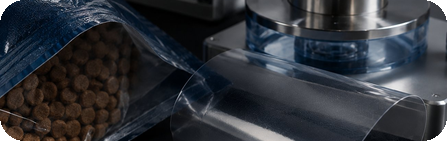
ASTM D3985
A method that measures the oxygen transmission rate in films and packaging, allowing for an assessment of the barrier’s effectiveness and its impact on product preservation.

ASTM F1249
Evaluates the water vapor permeability of flexible materials, indicating the packaging’s ability to control moisture and preserve sensory characteristics.
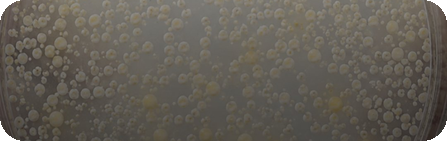
ISO 22196
A test that quantifies antimicrobial activity on surfaces by measuring the reduction in bacteria following contact with the treated material.
Frequently Asked Questions
Antimicrobial technology is incorporated directly into the polymer matrix of the packaging. When microorganisms come into contact with the surface, the solution works to eliminate bacteria, fungi, and yeasts, helping to protect the food throughout the supply chain. This helps reduce surface contamination and better preserve the quality of the feed during storage and distribution.
No. The technology is incorporated using a masterbatch or powdered additive during existing processes, such as extrusion and injection molding. There is no need to create a new production step or modify the machinery, which facilitates industrial implementation.
Yes. In pet food applications, the solution is tailored to criteria such as polymer type, end use, feed-grade requirements, and applicable standards, ensuring safety and stability in the application.
The technology works by eliminating microorganisms that come into contact with the packaging, which helps reduce factors that accelerate food spoilage. Combined with the packaging structure, this contributes to greater stability, better preservation, and the maintenance of the product’s characteristics over time, especially under conditions of prolonged storage and logistics.
Yes. By eliminating fungi and spoilage microorganisms from the surface of the packaging, this technology helps reduce risks associated with the growth of fungi such as Aspergillus and Fusarium, which can affect feed quality and be linked to the formation of mycotoxins.
Yes. Antimicrobial solutions are compatible with structures made of polyethylene (PE) and polypropylene (PP), as well as polyamide (PA) and PET, including single-material packaging. This allows for the combination of preservation performance with current recyclability and sustainability requirements.
No. When properly incorporated into the polymer, the technology does not alter the conventional recycling process. The packaging can be reprocessed using the same methods already employed by the industry.
Yes. In premium pet foods, odor can be affected by various factors, such as the presence of microorganisms and fat oxidation. Antimicrobial technology works by eliminating bacteria and fungi on the surface of the packaging, aiding in microbiological control and helping to better preserve the product’s characteristics throughout the supply chain.
Among the main ones are fungi, molds, and spoilage bacteria, as well as microorganisms associated with surface contamination. In ingredients rich in grains and proteins, the presence of fungi such as Aspergillus and Fusarium is particularly relevant to product stability.
The cost depends on the type of polymer, the packaging structure, and the expected performance. For an accurate assessment, we recommend contacting TNS Nano so we can analyze your process and determine the most suitable solution.
Technology transforms packaging into a functional advantage, linked to food preservation, protection, and quality. In addition, TNS Nano helps develop the campaign by providing strategic guidance, training, and marketing materials to communicate this value to the market.