
Water purifiers
Technology applied to water purifiers to enhance microbiological control, maintain system efficiency, and protect water quality throughout the product’s lifespan
Water purifiers
Technology applied to water purifiers to enhance microbiological control, maintain system efficiency, and protect water quality throughout the product’s lifespan.
The features that make each piece a unique experience
Biofilm control at critical points
A tecnologia atua nas superfícies internas do sistema, ajudando a reduzir a formação de biofilmes em conexões, reservatórios e elementos filtrantes
Continuous water quality
A funcionalidade integrada aos componentes ajuda a manter padrões de qualidade, evitando alterações de odor, sabor e contaminação ao longo do uso
Continuous water quality
The functionality built into the components helps maintain quality standards by preventing changes in odor, taste, and contamination over time.
Maintaining efficiency over time
Ao evitar a proliferação microbiana nas superfícies de filtração, contribui para preservar fluxo, desempenho e vida útil do purificador
Key Features of the TNS Nano:
Application Engineering Team
Microbiology Laboratory
Marketing team
Results that demonstrate performance
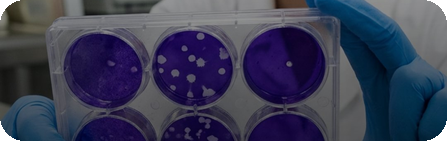
ISO 21702
Measures antiviral activity on surfaces, indicating the material's ability to reduce the viral load after direct contact.
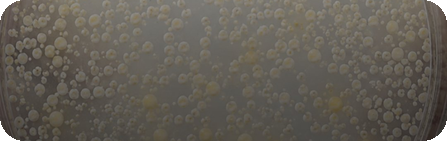
JIS Z 2801
A quantitative test that measures antibacterial activity on surfaces, assessing the material's ability to inhibit bacterial growth over time.
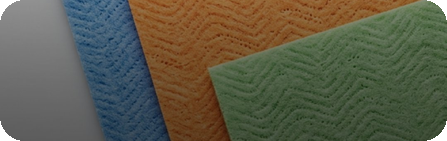
ABNT NBR 15275
Standard establishing test methods for evaluating the biological activity of textile materials, verifying the effectiveness of antimicrobial treatments and their performance after use

ABNT NBR 16098
Standard establishing test methods for evaluating the resistance of textile materials to fungal growth, verifying the effectiveness of antifungal treatments and their durability over time.
Frequently Asked Questions
TNS Nano’s antimicrobial technology is directly incorporated into the polymer matrix of the melt-blown filter, the cold water reservoir, hoses, housing, nozzle, extension tube, on/off button, and activated carbon. This continuous integration helps control the proliferation of bacteria and fungi on the treated surface, contributing to the hygiene and preservation of the system throughout its use. The technology is incorporated into the material and designed to perform consistently during use.
Yes. Incorporating this technology into the plastic helps reduce the buildup of microorganisms that contribute to biofilm formation. By acting on the surface of the treated components, the solution helps keep hoses, tanks, and other components better protected, helping to prevent unwanted odors, sensory changes, and secondary contamination.
The technology acts on the treated surface to help control bacteria, fungi, and other microorganisms associated with moisture and biofilm formation. Depending on the application and the tests conducted, this may include microorganisms of interest such as Pseudomonas aeruginosa and E. coli, as well as other agents related to the deterioration and surface contamination of plastic components.
Yes. By helping to control microbial growth and biofilm formation on adjacent structures and casings, the technology helps preserve the system’s internal components. This helps better maintain the integrity and performance of the system throughout its service life.
No. Integration occurs by adding the antimicrobial masterbatch directly to polymers, such as polypropylene and polycarbonate, during conventional injection molding or extrusion processes. The manufacturer retains its original machinery and production steps, incorporating the technology in a way that is compatible with industrial routines.
Effectiveness can be demonstrated through laboratory tests based on standards such as NBR 16098. These analyses evaluate antimicrobial activity on treated plastic surfaces and help technically substantiate the solution’s performance in the application.
Yes. TNS Nano’s antimicrobial solutions are developed with consideration for the technical requirements of the application and the specific needs related to their use in air purifier components. Determining the appropriate solution depends on the design, polymer, structure, and regulatory requirements of the final product.
No. TNS Nano’s antimicrobial technology is designed to preserve key characteristics such as transparency, impact resistance, and surface finish in plastic parts, always in accordance with the technical validation of the application. For visual components, the goal is to maintain the product’s aesthetics and functionality.
The technology adds a functional advantage to the product, allowing the brand to go beyond visual and design attributes. In water purifiers, this reinforces perceptions of hygiene, care, and innovation, contributing to a more premium market positioning. In addition, TNS Nano helps develop the campaign by providing strategic guidance, materials, and technical arguments to communicate the value of the technology in the product.
The main benefit lies in providing greater hygiene, a greater sense of safety, and greater comfort in everyday use. By acting on the surface of plastic components, the technology helps keep the equipment better protected over time, thereby boosting consumer confidence in the product.