
Têxtil workwear
Fabrics used in professional uniforms and workwear, designed to provide greater strength, hygiene, and durability in demanding work environments
Attributes that go beyond what meets the eye
Odor-free uniforms
Odor-fighting technology that keeps the garment fresher even after long shifts
Better hygiene for heavy use
Antimicrobial action that protects fibers and helps keep the fabric cleaner day after day
Better hygiene for heavy use
Antimicrobial action that protects fibers and helps keep the fabric cleaner day after day.
Greater value and profit margins in the collection
A unique selling point that the market recognizes, customers appreciate, and the brand is able to justify in its pricing
TNS Nano Features:
Application Engineering Team
Microbiology Laboratory
Marketing team
Resultados que comprovam performance
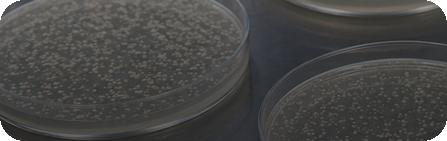
ATCC100
Quantitatively assesses the reduction of bacteria in treated fabrics. The method measures antimicrobial efficacy following direct contact with the material.

AATCC TM211
A method for evaluating the reduction of odor caused by bacteria in textiles treated with an antibacterial finish.
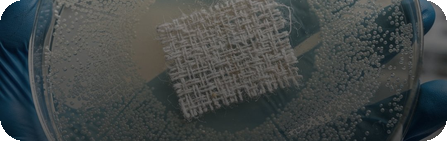
AATCC 147
A qualitative method that observes the formation of an inhibition zone around the tissue, indicating antimicrobial activity.
Frequently Asked Questions
Because uniforms, lab coats, aprons, and technical apparel are subjected to heavy use, long shifts, and frequent exposure to sweat, moisture, and daily operations. This technology enhances hygiene during use, helps reduce odors, and improves the perceived durability of the garment.
It is incorporated into the fabric during manufacturing. When microorganisms come into contact with the treated garment, the solution works to eliminate them from the surface, helping to keep the garment cleaner and in better condition throughout its lifespan, as well as preventing the development of unpleasant odors.
Yes. That is one of the most obvious benefits of workwear. The TNS Nano solution targets the bacteria that cause unpleasant odors, helping to keep the garment fresher even during periods of intense and prolonged use.
It can be applied to corporate uniforms, aprons, lab coats, and professional attire. In all these cases, the goal is to improve hygiene, performance, and the added value of the final product.
TNS Nano’s solutions are primarily designed for cotton, polyester, and nylon—fibers widely used in uniforms and technical apparel. The specific solution depends on the fabric, performance requirements, and production process.
Yes, because the garment is typically subjected to heavy use and repeated washing cycles. When the design is built to withstand this, there are solutions that can withstand 20 to 50 wash cycles.
The most relevant standards are AATCC 100, for measuring bacterial reduction; AATCC 147, for demonstrating antimicrobial activity; ISO 17299, for evaluating odor-control properties; and AATCC TM211, when the focus is on providing technical support for the reduction of unpleasant odors caused by bacteria in treated fabrics.
Additives can be incorporated through the foulard process or through exhaustion, depending on the fiber, the fabric construction, and the process already used by the manufacturer. TNS Nano adjusts parameters and validates the application in collaboration with the customer, from the pilot phase through to launch.
In practice, nothing changes structurally. TNS Nano adapts the solution to the process you already use, without adding a new production step. The work involves adjusting the formulation, parameters, and validation—not changing your operations.
Yes. TNS Nano operates in compliance with key standards in the textile industry, such as ZDHC and OEKO-TEX, ensuring technical reliability and greater confidence for brands and manufacturers that need to back up their product development with credible support.
The best approach is to highlight the benefits experienced in real-world use: odor-free uniforms, greater freshness during long shifts, improved hygiene during heavy use, and added value for the product line. TNS Nano also supports the development of the campaign, technical arguments, and marketing strategy to turn technology into a brand differentiator.