
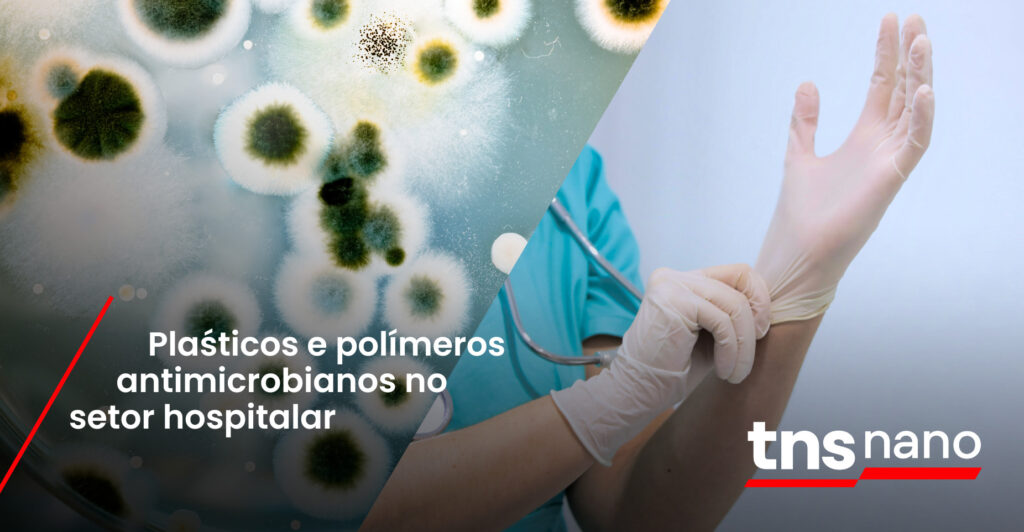
The polymer industry plays an extremely important role in the development of new technologies, producing components that enable products for various sectors of human activity, including the medical sector with hospital-grade plastics.
Never before has there been so much talk about hygiene, safety, and protection against microorganisms as there has been since the COVID-19 pandemic. That is why it is important to understand the role of antimicrobial polymers in the hospital plastics sector.
Keep reading!
What are medical plastics?
In general, medical plastics are polymeric materials specifically developed and used in healthcare settings for the manufacture of:
- Medical devices;
- Equipment;
- Curtains;
- Packaging and other essential products.
Common Applications of Medical-Grade Plastics
These polymers and plastics are designed to meet strict safety, hygiene, and durability standards, ensuring that they are suitable for use in, for example:
- Medical devices: includes syringes, catheters, tubes, and other instruments used in diagnosis and treatment.
- Medical equipment: components of machines such as ventilators, cardiac monitors, and dialysis systems.
- Sterile packaging: packaging for medications, surgical instruments, and other materials that must remain sterile until use.
- Hospital furniture: chairs, beds, tables, and other furniture used in hospital settings.
- Personal Protective Equipment (PPE): masks, gloves, aprons, and other protective items for healthcare professionals.
The Importance of Polymers and Plastics in Hospitals
Hospital-grade polymers and plastics play a vital role in the healthcare sector, offering innovative and effective solutions for a wide range of applications.
Its importance can be highlighted in several key aspects essential to the functioning of modern health care systems:
Hospital safety
Antimicrobial polymers are essential in combating cross-contamination in hospital settings, where the presence of viruses, bacteria, and fungi is a constant concern.
The addition of antimicrobial additives to these plastics helps inhibit the growth of pathogens, thereby protecting patients and healthcare professionals.
Durability and strength
Hospital-grade polymers are highly durable and resistant to wear and tear, corrosion, and exposure to harsh chemicals used in cleaning and disinfection.
This extends the service life of medical equipment, thereby reducing costs and ensuring that it remains functional even under adverse conditions.
Versatility of applications
Above all, the moldability of polymers allows them to be used in a wide range of products, from small disposable devices, such as syringes and catheters, to complex components of medical equipment and hospital furniture.
This versatility is crucial for meeting the diverse and ever-changing needs of the healthcare sector.
Cost reduction
Hospital plastics are a cost-effective option compared to materials such as metals and ceramics.
They offer excellent value for money, especially when you consider:
- Durability;
- Ease of mass production;
- Low maintenance costs.
Lightweight and portable
The lightweight nature of polymers makes it easier to transport and handle medical equipment, which is particularly important in emergency situations or in settings where mobility is essential, such as operating rooms and ambulances.
Contribution to sustainability
Advances in polymer technology have enabled the development of more sustainable medical plastics that can be recycled or have a smaller carbon footprint.
This is becoming increasingly important in an industry that seeks to balance the need for safety and effectiveness with environmentally responsible practices.
Innovation in medical devices
Continuous innovation in medical-grade polymers has enabled the development of new medical devices that are more efficient, safer, and more comfortable for patients. For example, the development of flexible, transparent polymers allows for the manufacture of devices that improve monitoring and diagnosis.
Read more at: Antibacterial and Antiviral Polymers
Benefits of antimicrobial additives for hospital plastics
Antimicrobial additives for hospital plastics offer crucial benefits, such as:
- Reduction of cross-contamination;
- Inhibition of the growth of viruses, bacteria, and fungi;
- Continuous and long-lasting protection.
How do I apply?
- Incorporation into the production process: antimicrobial additives are integrated directly during the manufacturing of hospital plastics, thereby ensuring uniform distribution throughout the material.
- Compatibility with various resins: the technology can be applied to different types of polymers—such as PP, PE, PS, ABS, and PVDF—without altering their mechanical or aesthetic properties.
- Application on contact surfaces: ideal for medical devices, countertops, chairs, beds, plastic curtains, as well as other frequently used items in hospital settings.
- Guaranteed long-term effectiveness: once incorporated, they do not require reapplication or additional maintenance, as the additives provide continuous antimicrobial protection.
- Customization to meet specific needs: Additives are tailored to meet the specific requirements of different hospital products, ensuring maximum effectiveness and safety.
Do TNS antimicrobial polymers comply with the standards?
To ensure even greater safety for users, TNS Nano certifies, through the TNS Nano Protect seal, that all its products comply with the following standards:
- JIS Z 2801:2010
- NBR 15275:2021
- EN 1186-1:200.
Get TNS antimicrobial technology for hospital plastics
We are a global leader in nanotechnology and innovation. Discover how our additives can raise the bar for your operations and ensure high-performance results for your products.
Contact us to learn more about how TNS Nano can make a difference for you!
![[TNS Nano] Sustainability Report](https://tnsnano.com/wp-content/uploads/2023/05/Relatorio-anual-de-sustentabilidade-1.jpg)